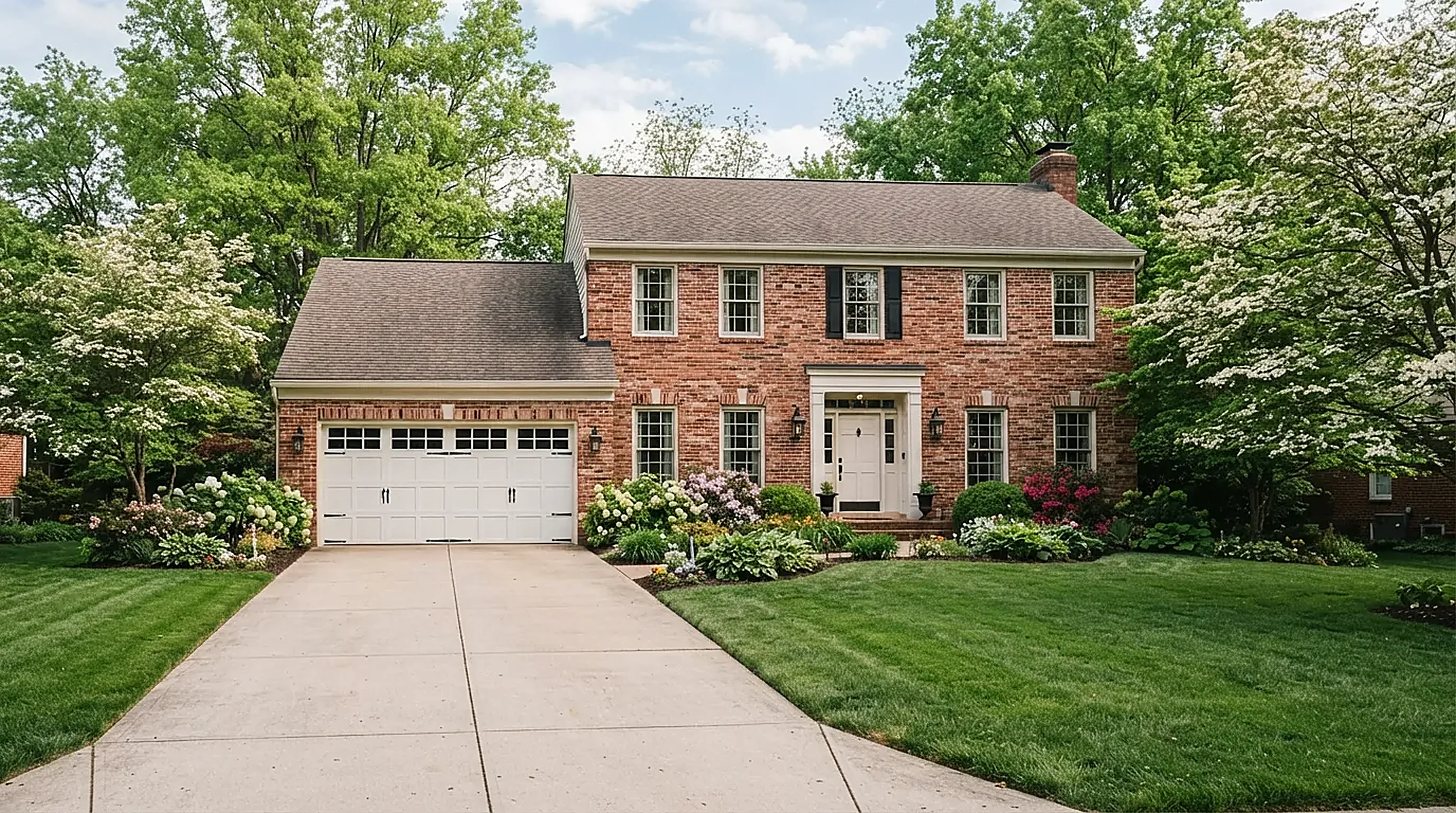
Edison, NJ · Garage Door Service
Local garage door repair for Edison, NJ, where most houses date to the 1960s and 70s. We know the original hardware and what the cold season does to it.
What We Do
From a snapped spring to a full door replacement - one local crew, upfront pricing.
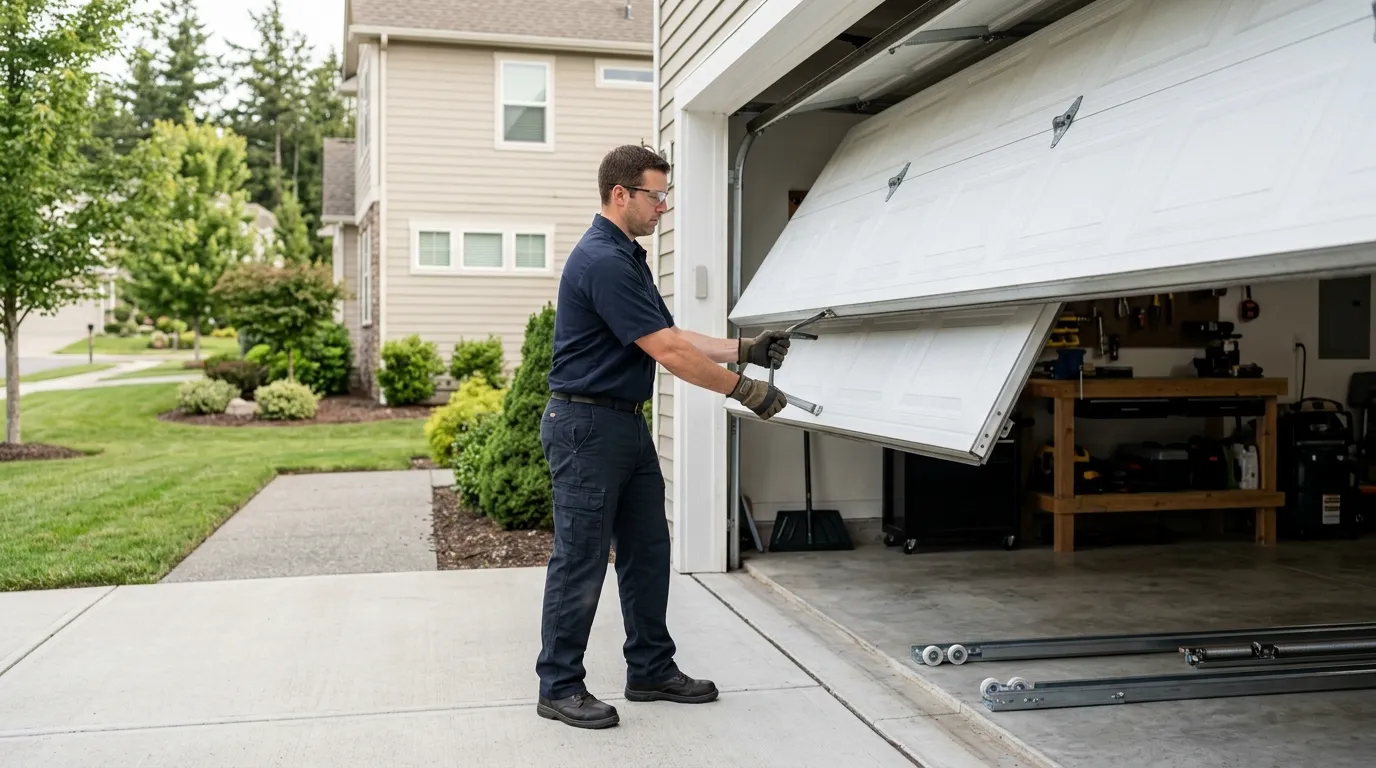
Off-track doors, snapped cables, bent panels and grinding openers - diagnosed and fixed.
Learn more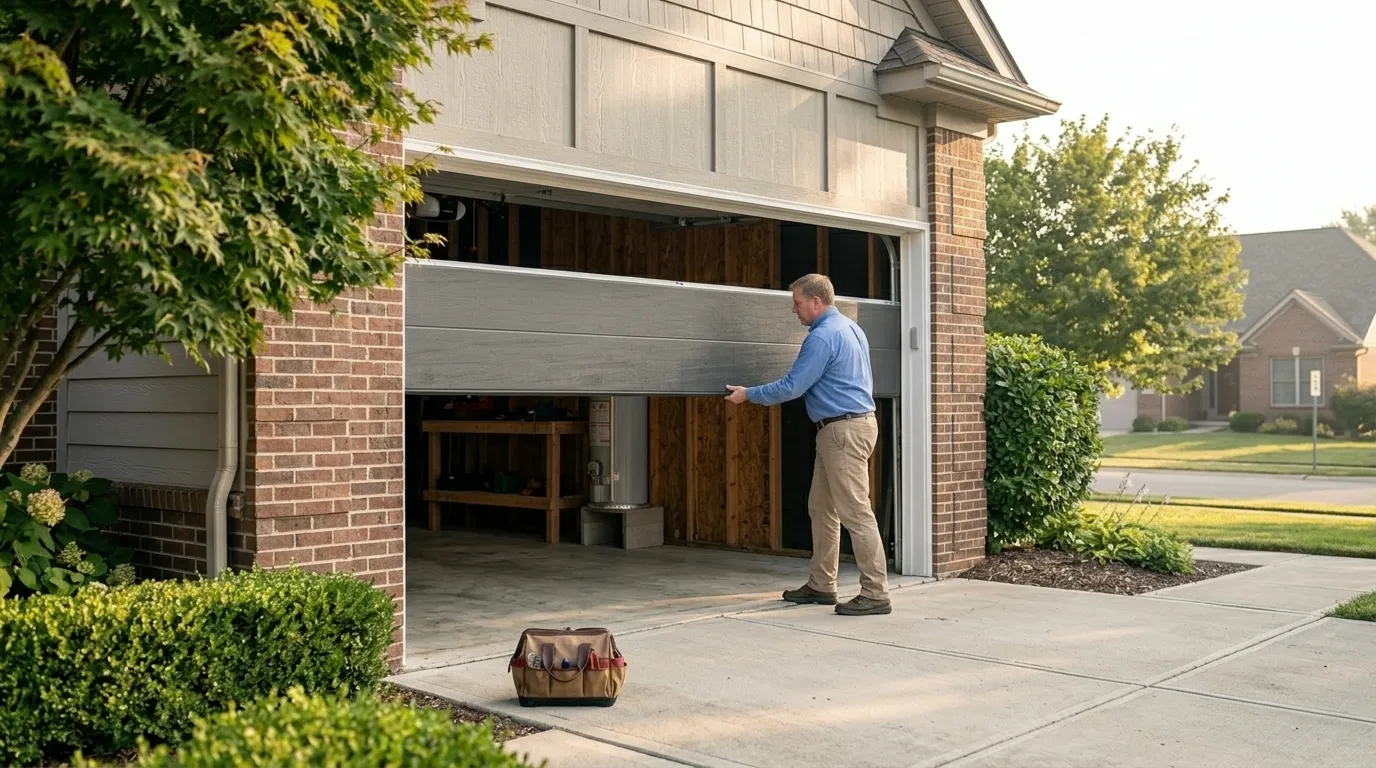
Torsion and extension springs replaced safely - the job you should never DIY.
Learn more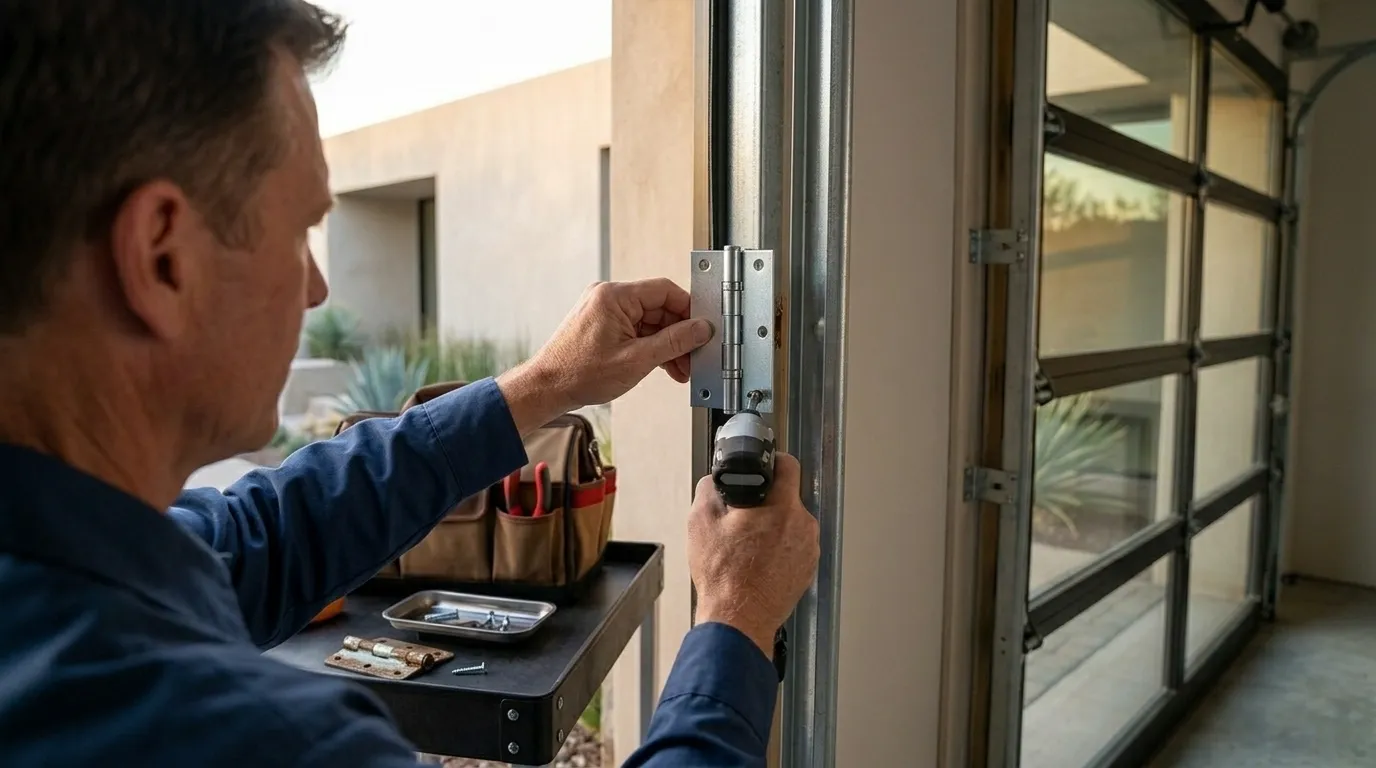
Chain, belt and screw-drive openers, safety sensors and rolling-code remotes.
Learn more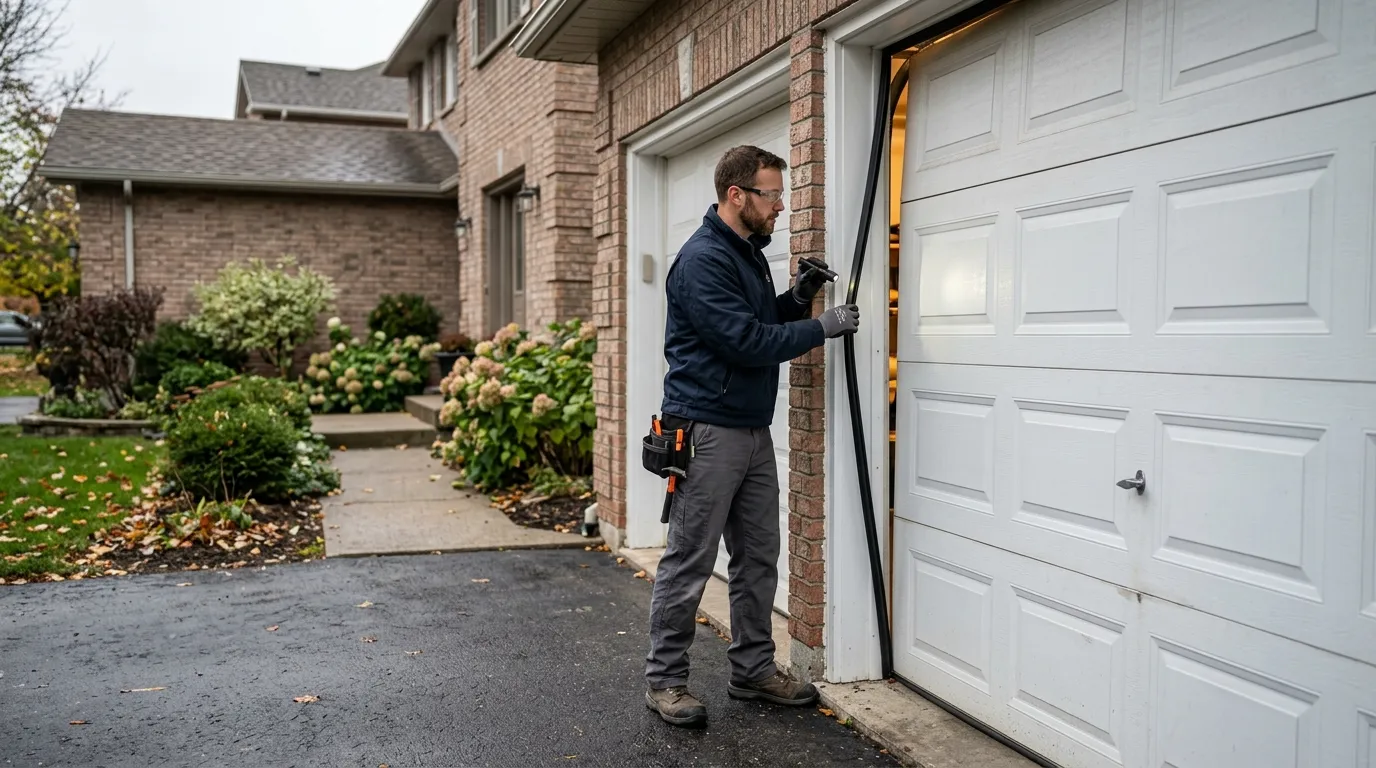
Doors jumped the track re-set, aligned and re-tensioned so they run true.
Learn more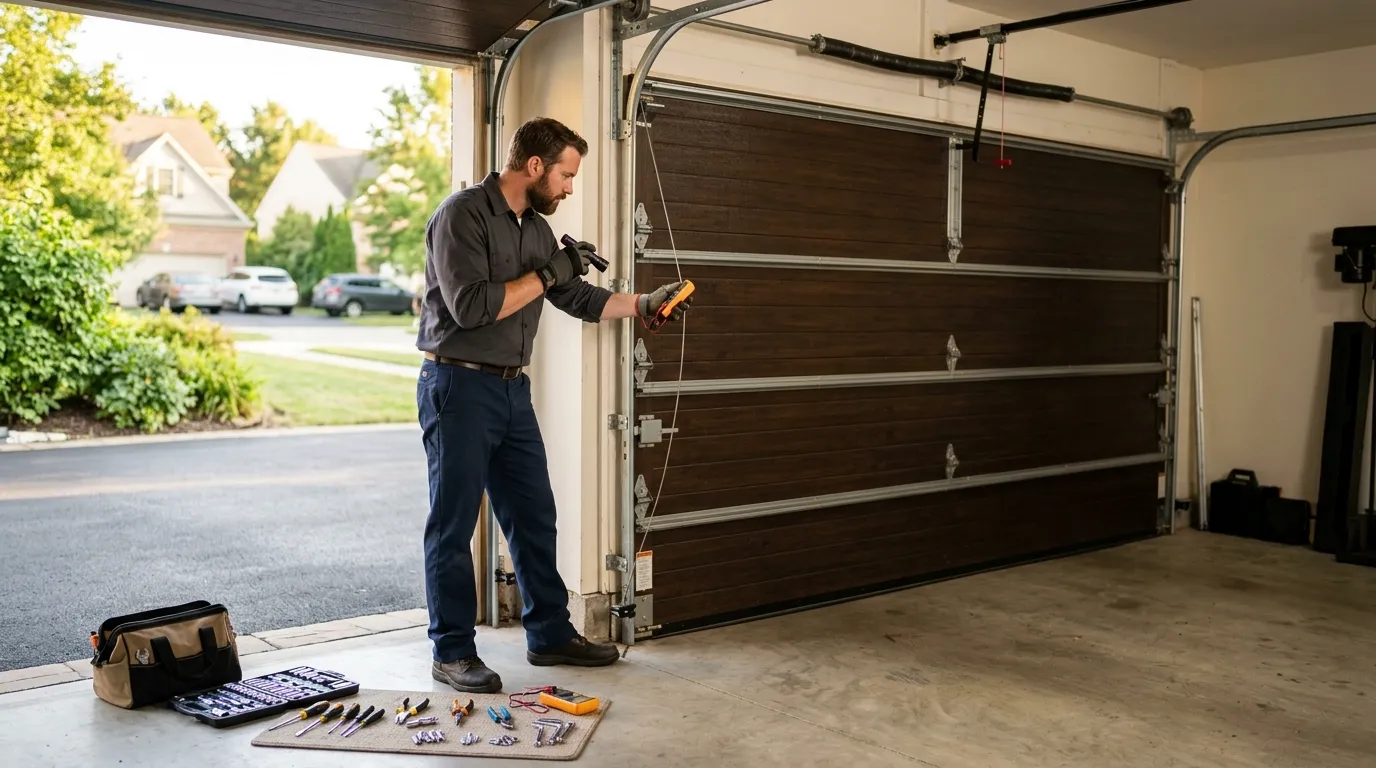
Dented or cracked sections swapped for a match without replacing the whole door.
Learn more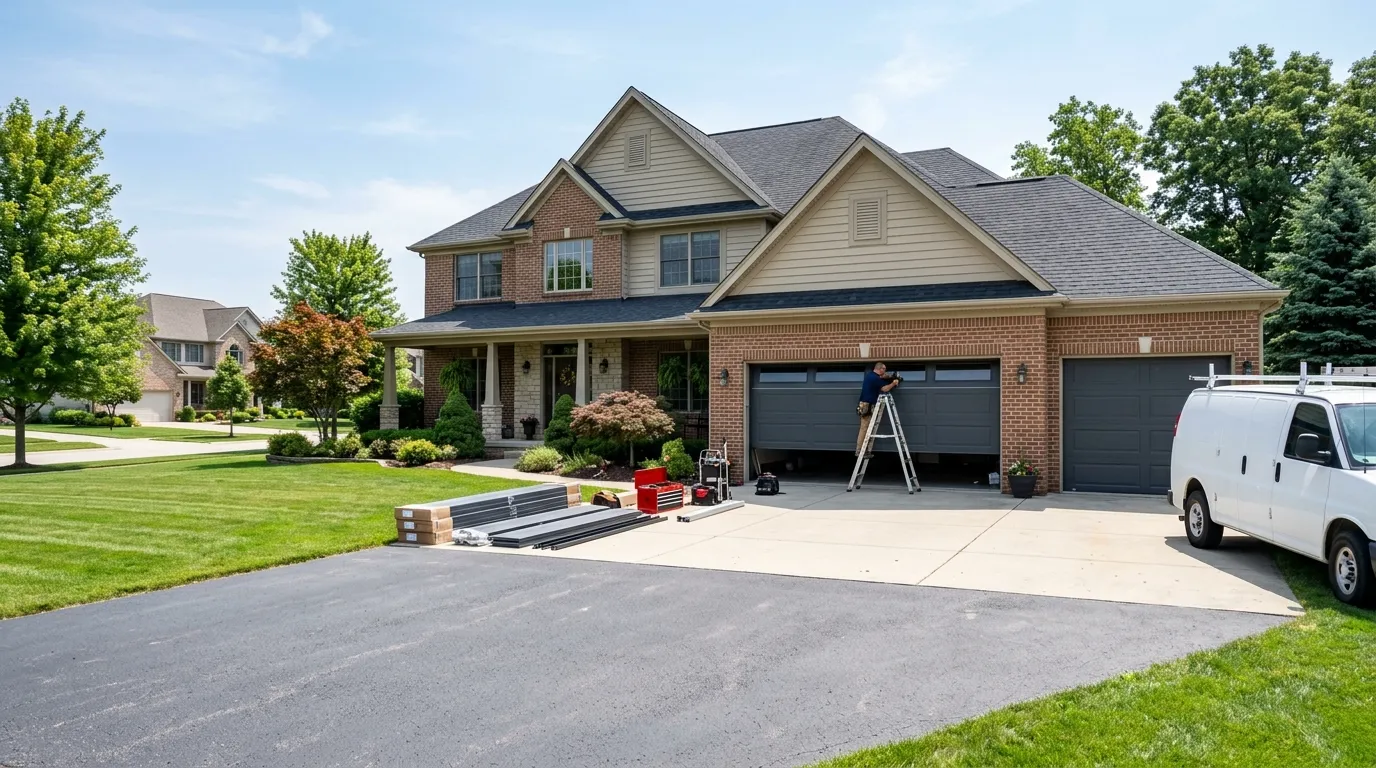
Rolling steel, sectional and high-cycle doors for shops, warehouses and lots.
Learn moreFast Response
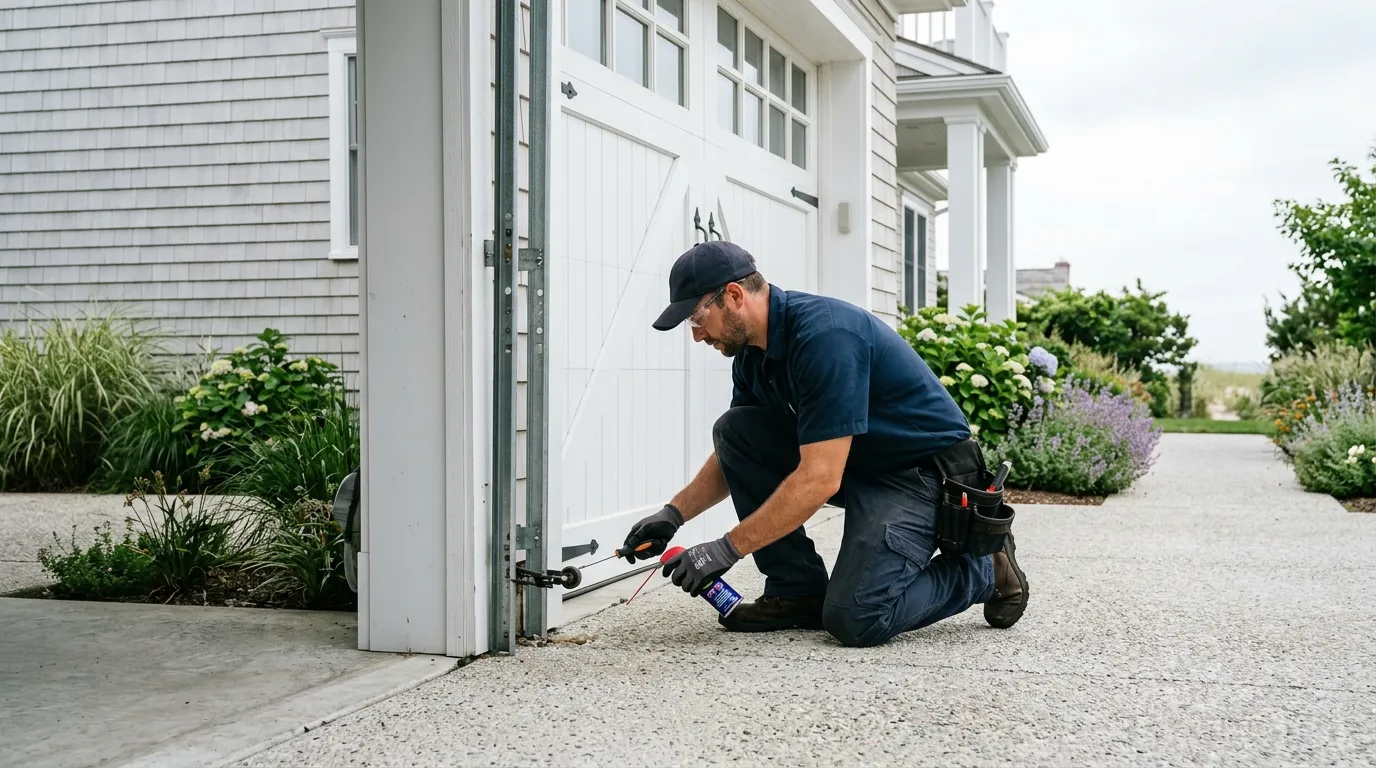
A stuck or broken garage door can't wait. Call before the afternoon and we can usually be out the same day - most repairs are diagnosed and finished on the first visit, with an upfront price before any work starts.
 Same-day service
Why Edison Calls Us
How It Works
Call or request a quote and describe what the door is doing - noise, off-track, won't open.
A tech inspects the springs, tracks, opener and panels and gives you a written price first.
Most repairs are done on the same visit; installs are scheduled around you.
Our Work
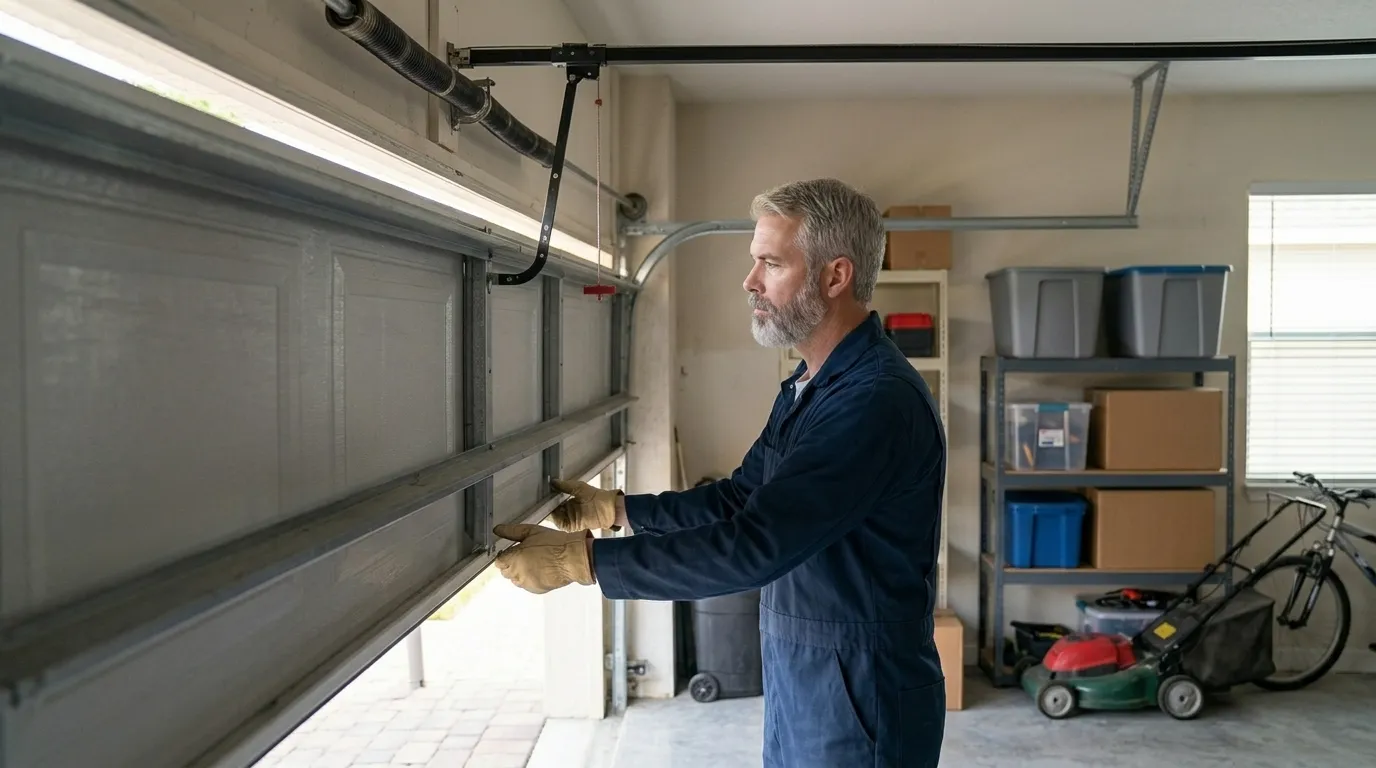
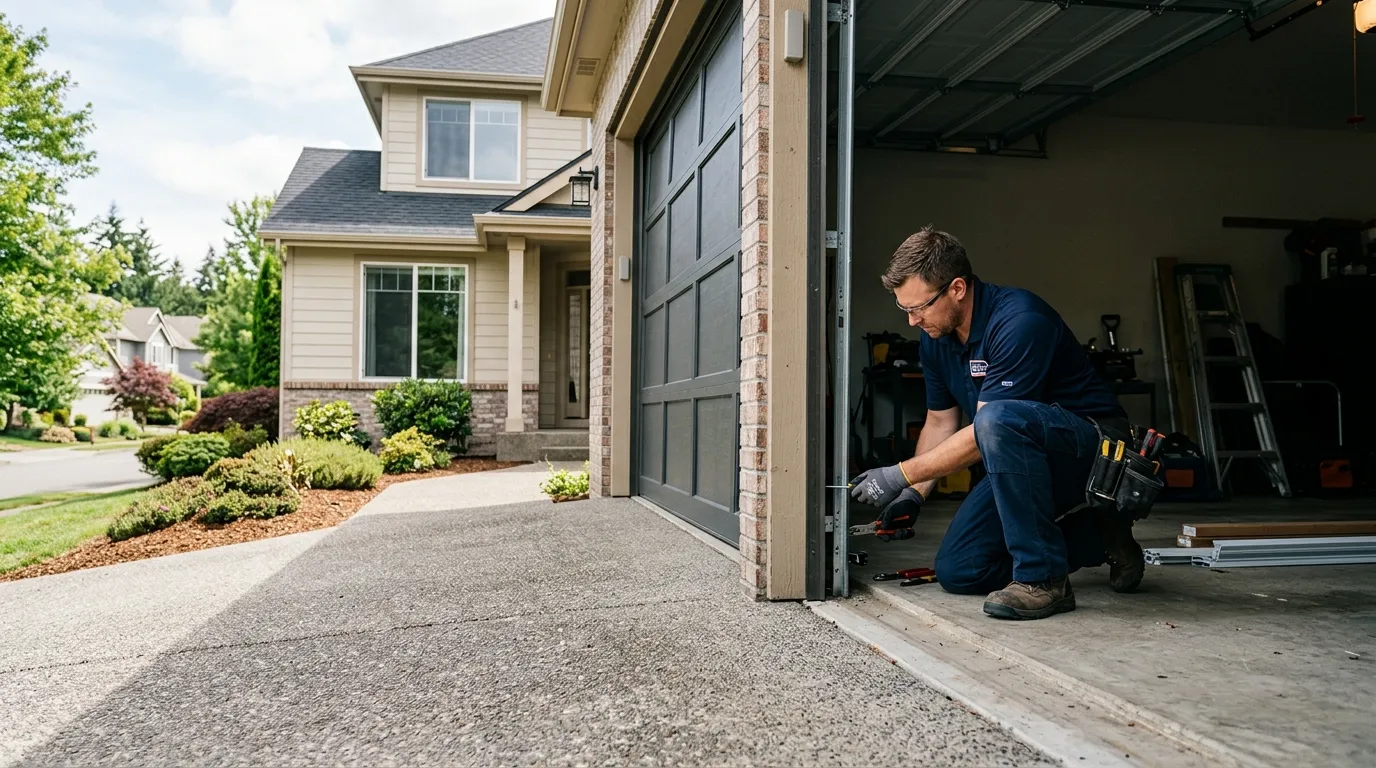
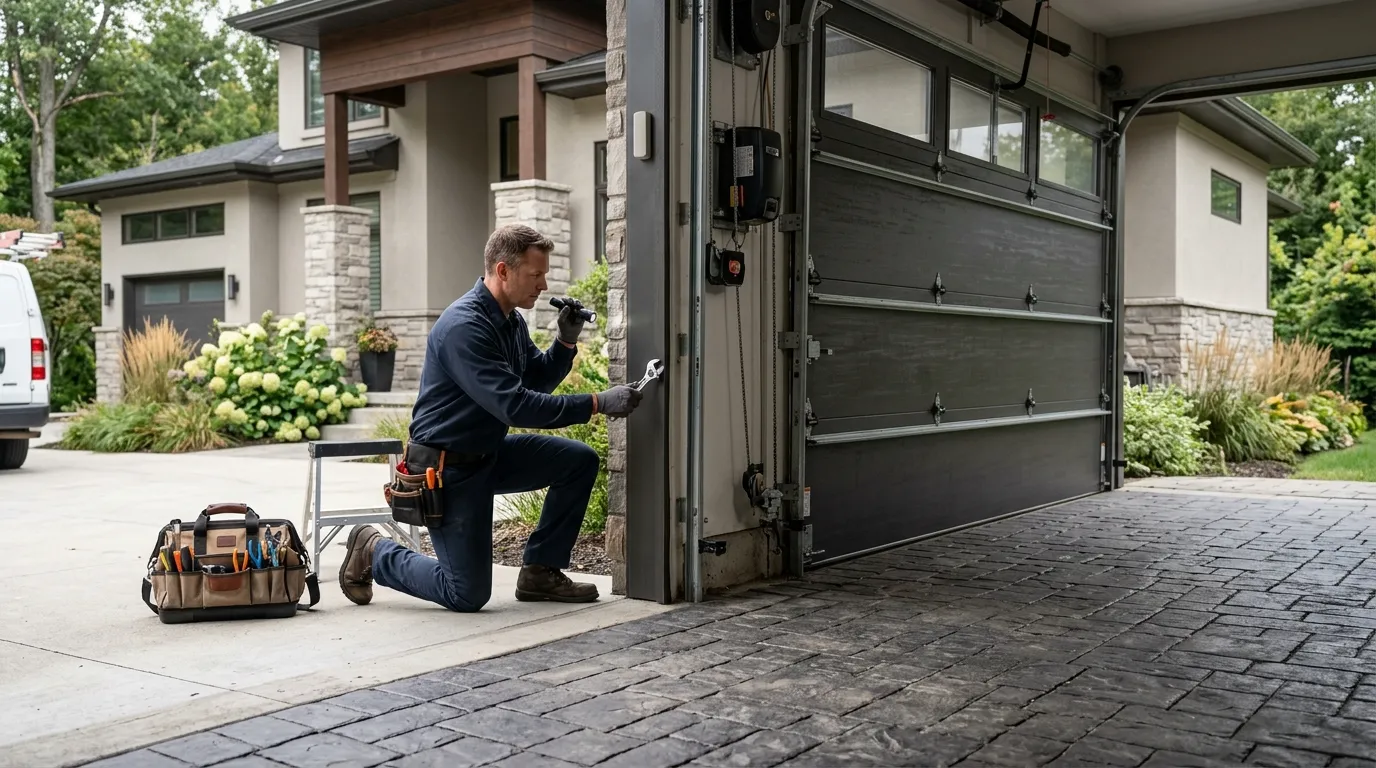
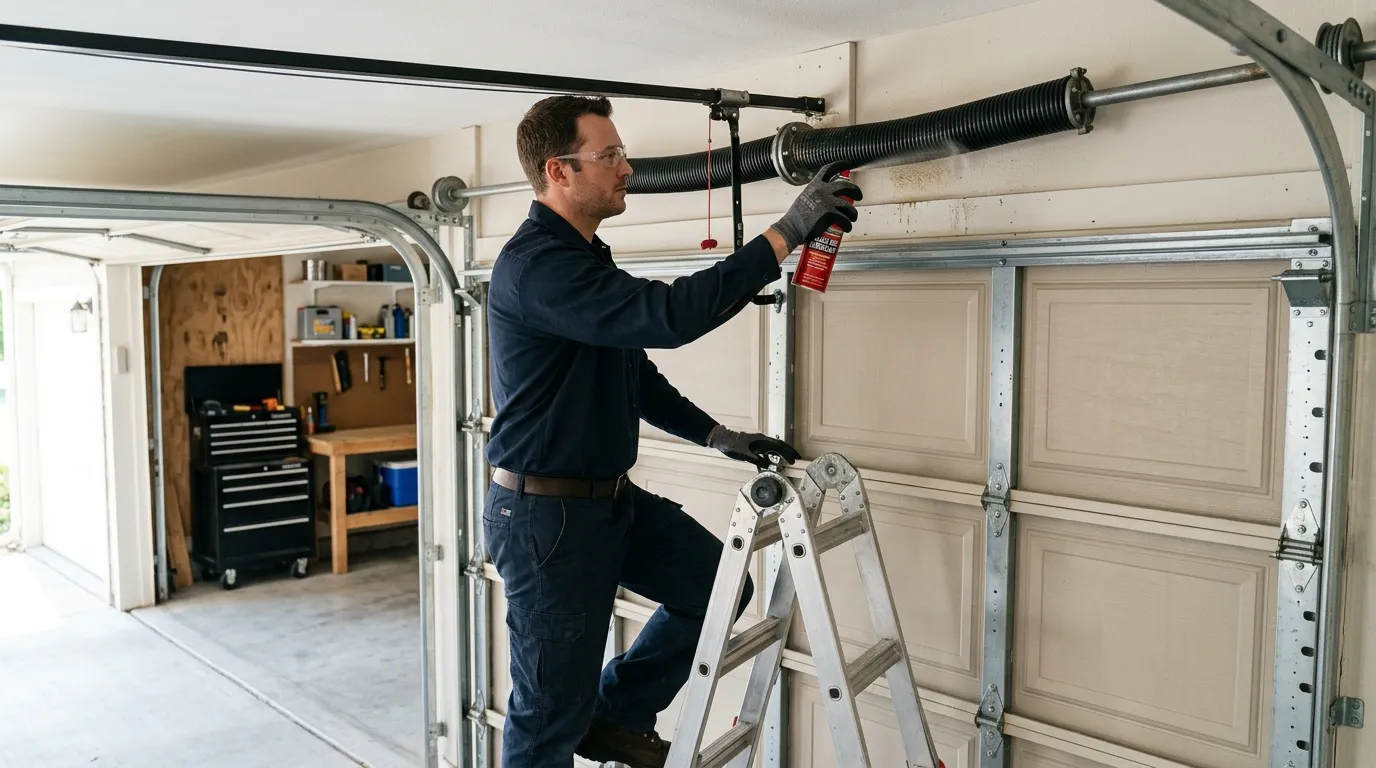
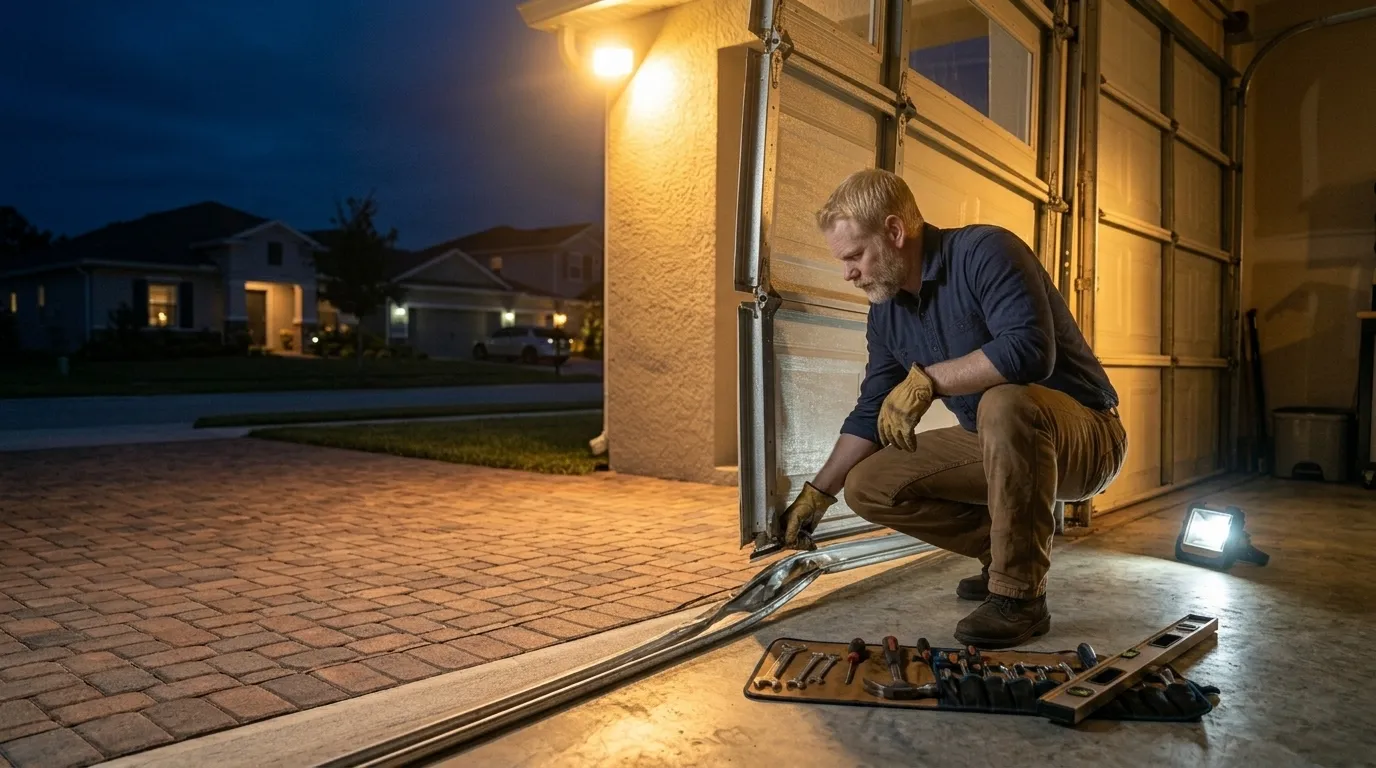
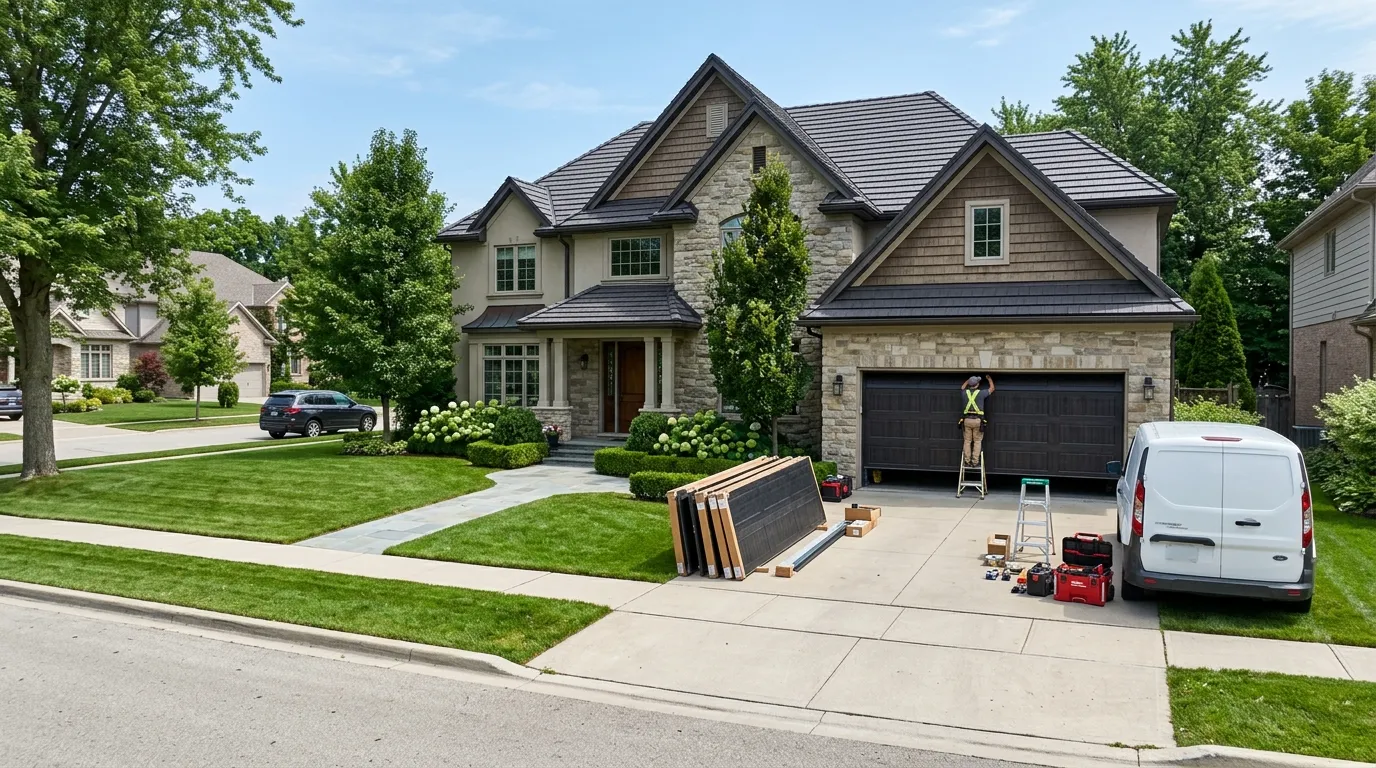
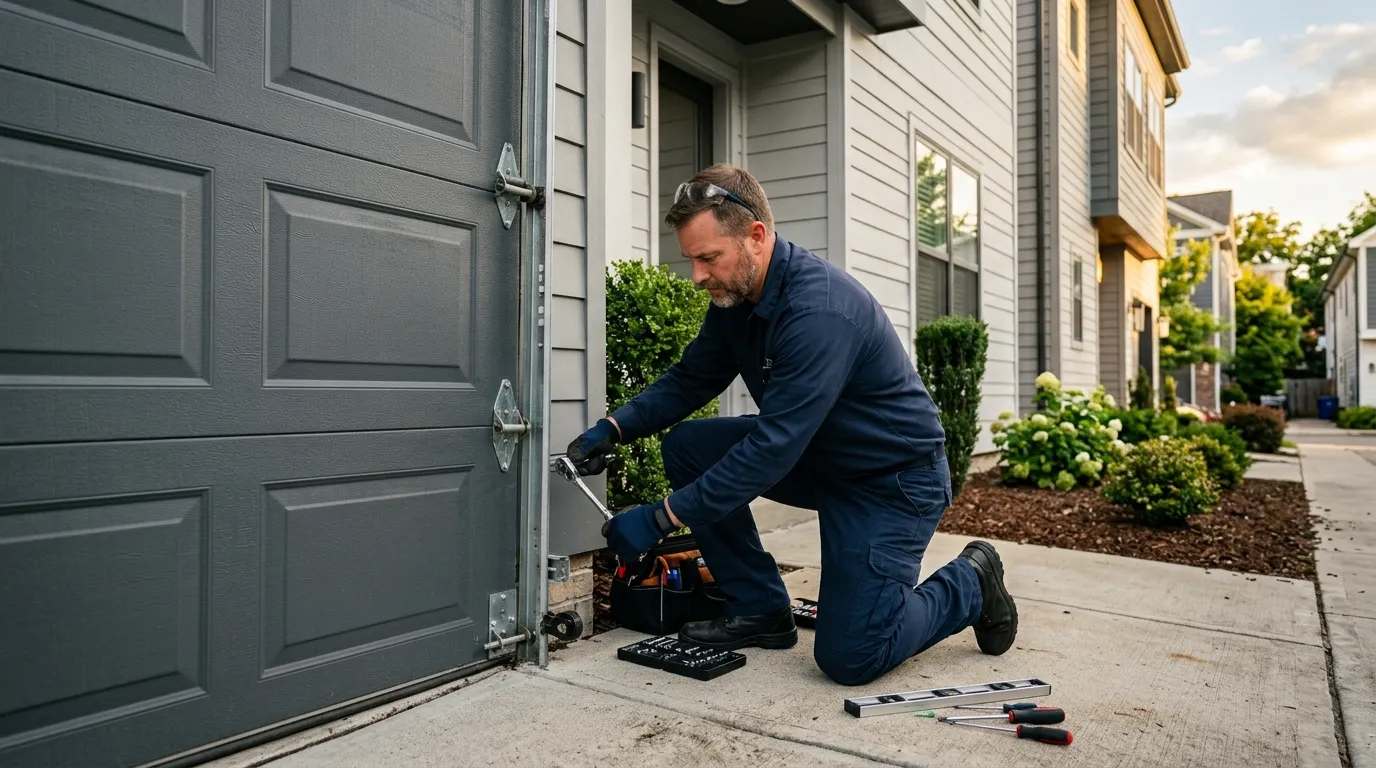
A look at doors, openers and springs we've installed and serviced across the Edison metro.
Where We Work
Neighborhoods across the city and suburbs around the metro. Not sure if we reach you? Just ask.
Local Expertise
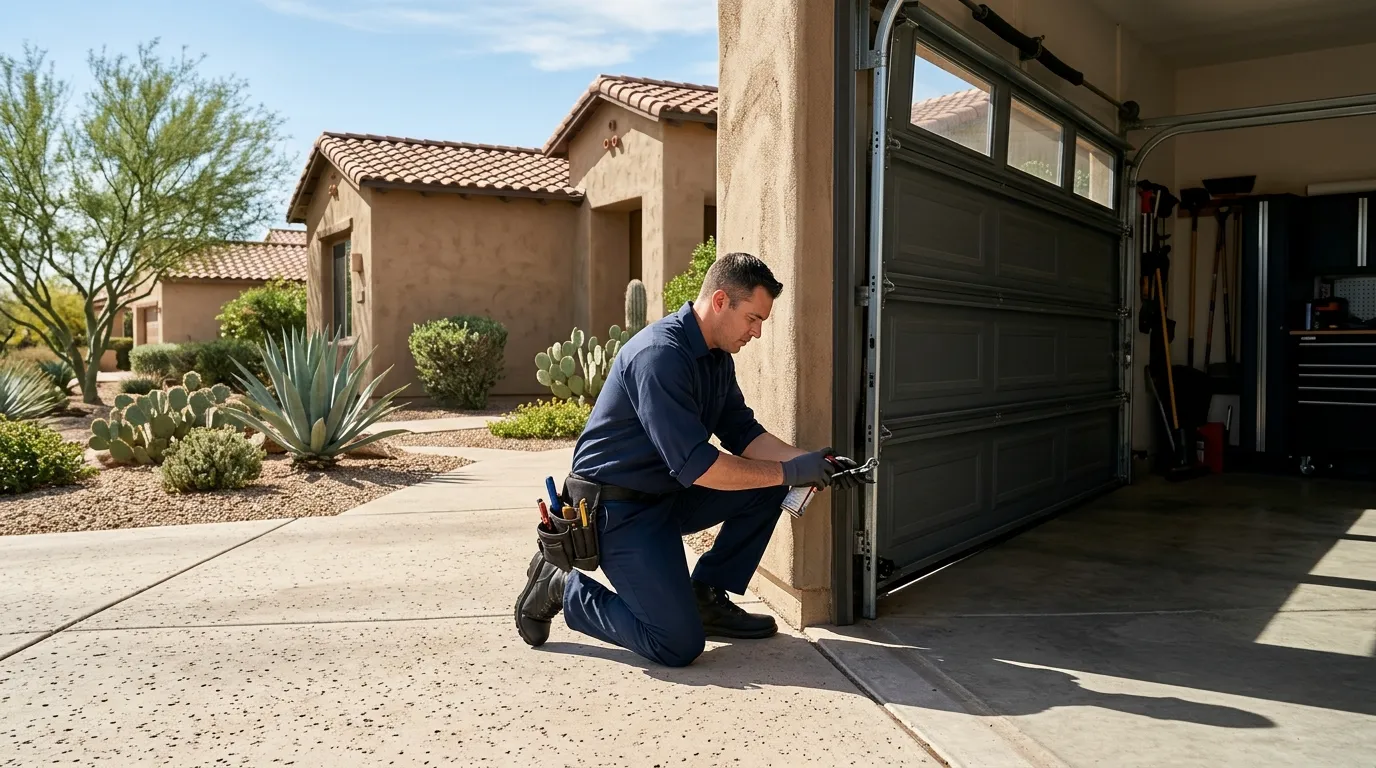
Most of Edison went up between 1938 and 2001, with the median build year sitting around 1963. That means the split-levels and colonials on your block were framed during the same stretch that raised similar streets in Highland Park two miles east and Metuchen three miles north. If your house is one of the ranches or split-levels from that run, there's a decent chance the garage still has its original opener bracket or a section that was swapped once in the 80s and never touched again.
Across the wider area - 116 named neighborhoods stretching from here out past Piscataway and South Plainfield - the dominant build era is the 1960s and 70s. That matters for garage doors because the hardware standards from that period differ from what gets installed today: narrower tracks, lighter-gauge torsion springs, and openers rated for far less cycle life than current units. We see the same three or four failure patterns over and over because the same three or four builders were putting up houses on repeat.
We're not guessing at this from a spreadsheet. It's what shows up on the truck every week - a door that's been fine for decades until one cold snap finds the weak point.
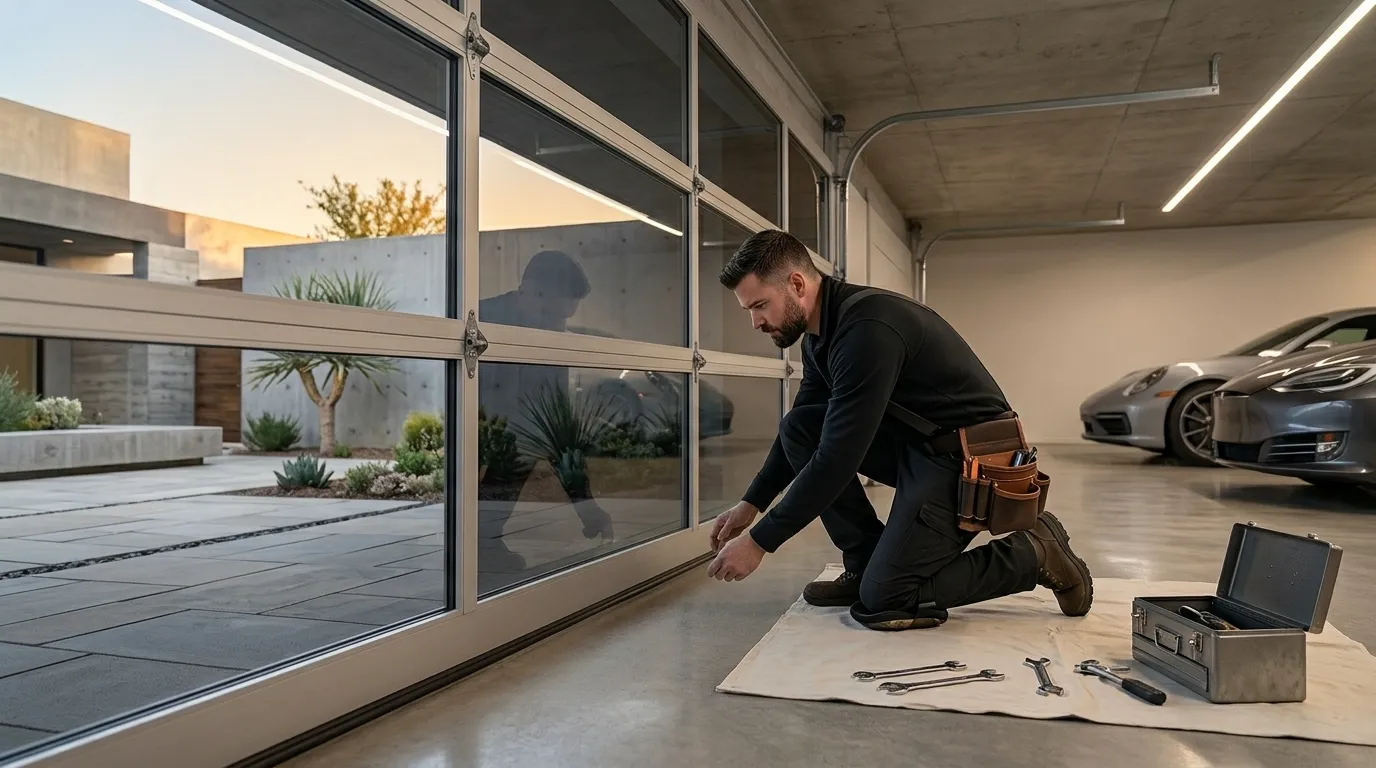
We come out, look at the door with the opener disconnected first - that's the only way to tell if a spring, cable, or track problem is masquerading as a bad opener, which happens constantly. We test the balance by hand, check the rollers and hinges for wear, and look at what track and drum size the door was built with, since a lot of the 1960s and 70s stock in this area used hardware that doesn't match what's stocked on the shelf today.
Once we know what's actually wrong, we tell you the options before touching anything else. Sometimes that's a ten-minute cable job. Sometimes it's a full spring replacement because one side going means the other side is close behind. We don't upsell an opener swap when a $40 sensor realignment fixes the problem, and we say so.
If a part isn't something we carry on the truck - an odd panel size or a discontinued opener board - we tell you that too, rather than stalling you with a callback.
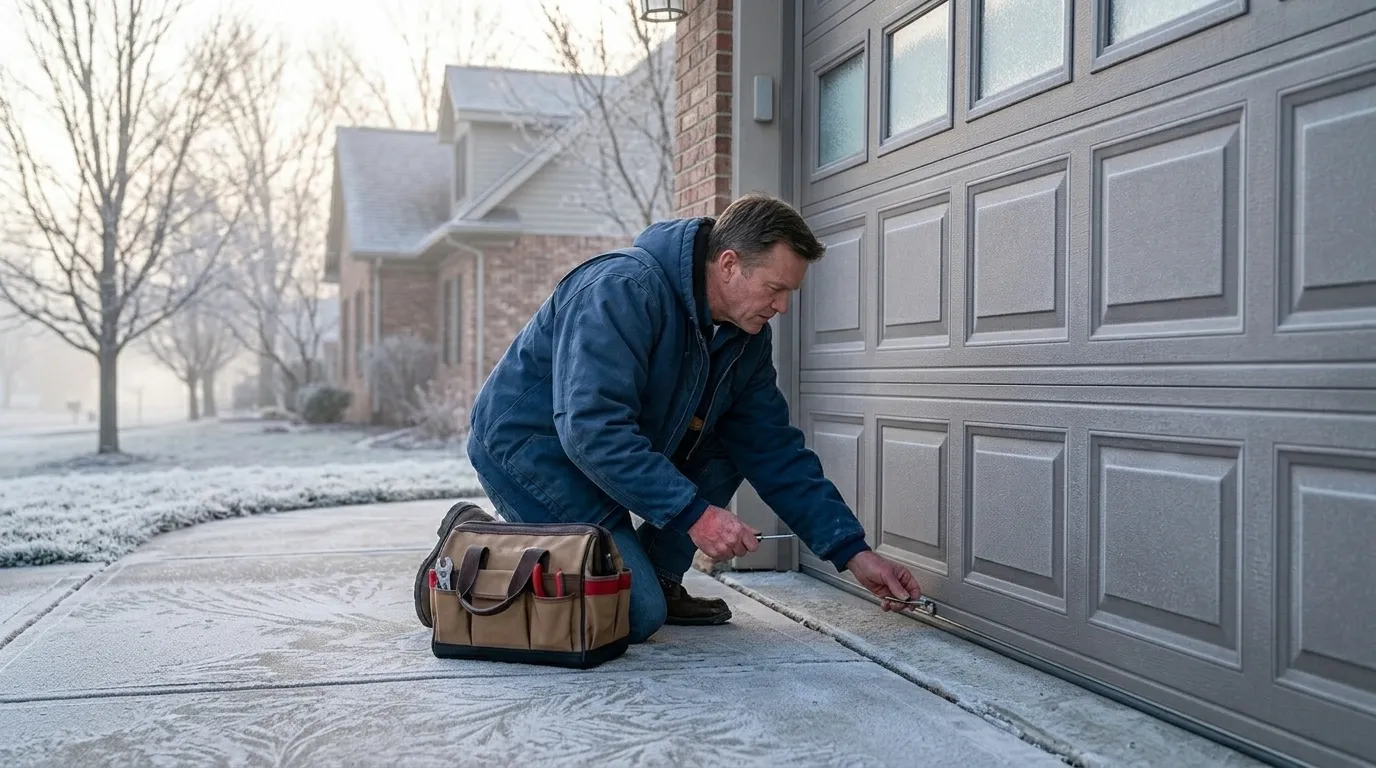
We don't publish a flat price list because the door in front of us decides the job, not the address. What we can tell you is what actually moves the number: spring size and count (single vs. double torsion), whether the track is standard or high-lift, and whether the opener is a legacy chain-drive unit that needs a matching part versus a newer belt-drive with parts still in production.
Edison sits in a service area with a median household income of $124,065 across roughly 645,000 households, which is part of why we stock a range of opener tiers rather than pushing one option - homeowners here are just as likely to want a straightforward repair that gets ten more years out of an old door as they are to want a full replacement with insulation upgrades.
We quote on-site once we've seen the door and the hardware. If a part has to be special-ordered because your door is old enough that the original manufacturer doesn't stock it anymore, that lead time gets factored into the quote up front, not sprung on you after the fact.
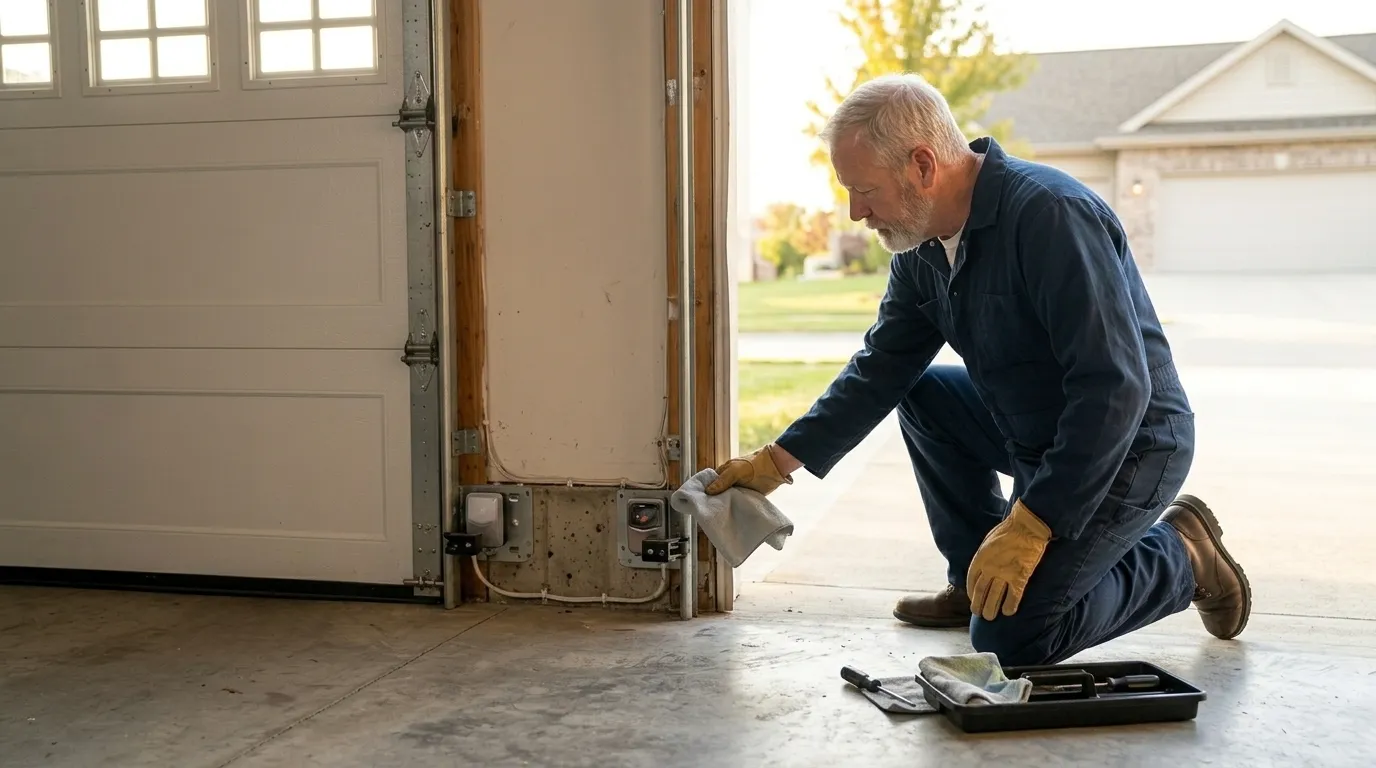
Broken torsion springs top the list, and it's not close. Doors from the 1960s-70s building boom that shaped this area were built with springs rated for a service life that's long since expired, and cold weather is what usually finishes them off - steel fatigues faster once temperatures drop into the range this region sees every winter under its severe cold climate classification.
After springs, it's cables that have frayed at the drum, and rollers that have gone from nylon to metal-on-metal grinding because nobody greased them in fifteen years. We also get a steady run of opener logic boards that die from age rather than misuse - a door that's been opened twice a day for four decades has put a lot of cycles through one small circuit board.
What we see less of, honestly, is total panel replacement from impact damage. Most of the calls here are wear-and-tear failures on original or near-original hardware, not accident repair.
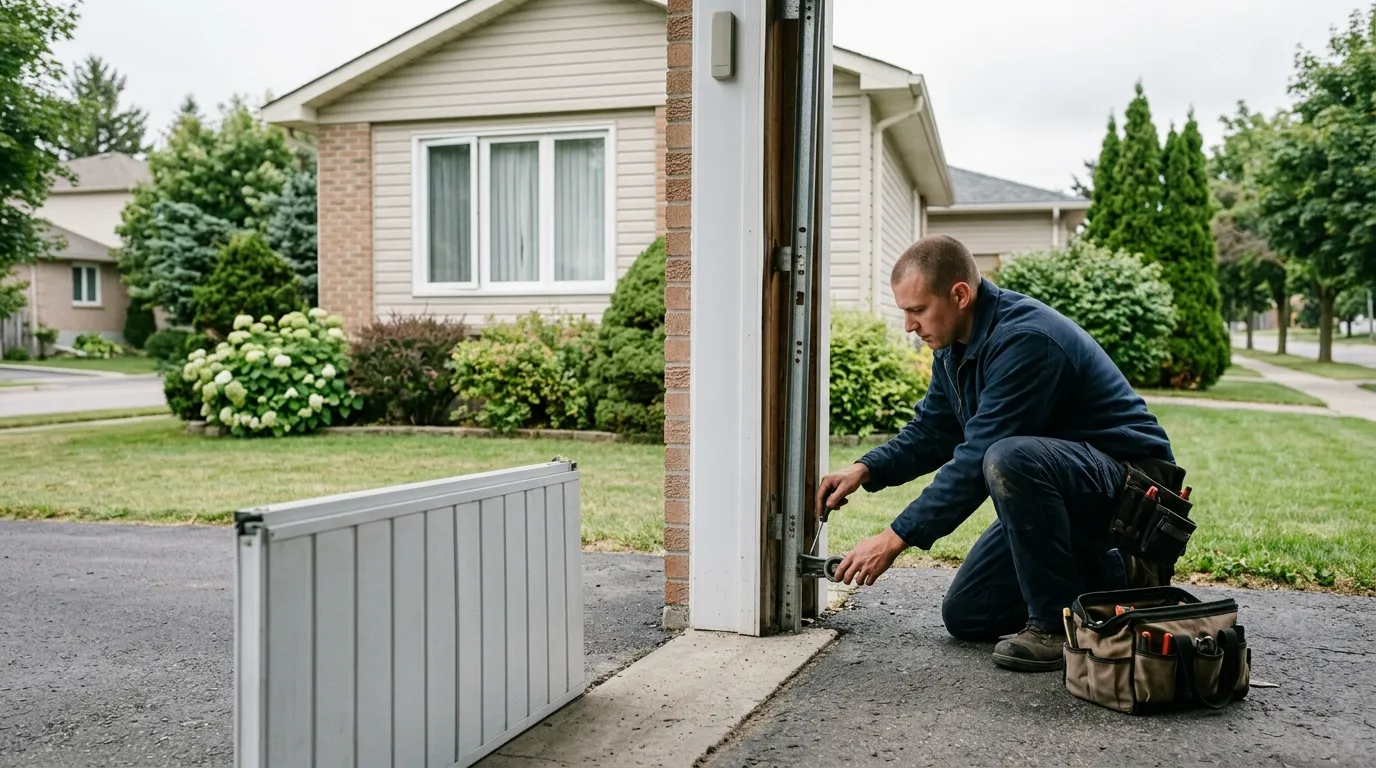
A repair makes sense when one part failed and the rest of the door is sound - a snapped spring on an otherwise straight, well-balanced door is a repair every time. Replacement starts making more sense once we're looking at a door old enough that it predates current insulation standards and the opener, springs, and track are all near the end of their life at the same time. Fixing each piece separately over eighteen months usually costs more than replacing the unit once.
Given how much of the housing stock in this area dates back to the 1960s and 70s, we run into this more than you'd expect: a door that's had three service calls in five years, each one a different part, none of them wrong to fix at the time, but adding up to the cost of a new door with a longer warranty and better R-value for the cold winters this area gets.
We'll tell you flat out when we think you're past the point where another repair is worth it. We'd rather lose the smaller job than have you call us back in eight months for the next part.
Good to Know
Most homes here date to the 1960s and 70s building boom, and torsion springs from that era are decades past their rated cycle life. Cold weather makes steel more brittle, and this area falls in a severe cold climate band, so the coldest stretches of winter are when older springs finally give out.
Yes - we cover Edison and the surrounding area, including Highland Park about two miles out and Metuchen roughly three miles away. The housing stock is similar across that stretch, so the same failure patterns show up on both sides of the town line.
Often, yes, but not always same-day. Some original hardware from that era isn't stocked by current manufacturers, so if your door needs a discontinued part, we'll tell you the lead time up front rather than guessing it'll show up next week.
Depends on what's failed. One broken spring on an otherwise sound door is worth fixing. If the opener, track, and springs are all near the end of life at once, which happens a lot given how much local housing dates to the 1960s and 70s, replacement usually costs less over time.
Call now or request a free quote - same-day service on most repairs, upfront written pricing.